
India's 600-Test Milestone: A Story of Grit and Growth
From early struggles to a top-two Test side, India's six-decade transformation has been defined by home dominance and newfound overseas strength.
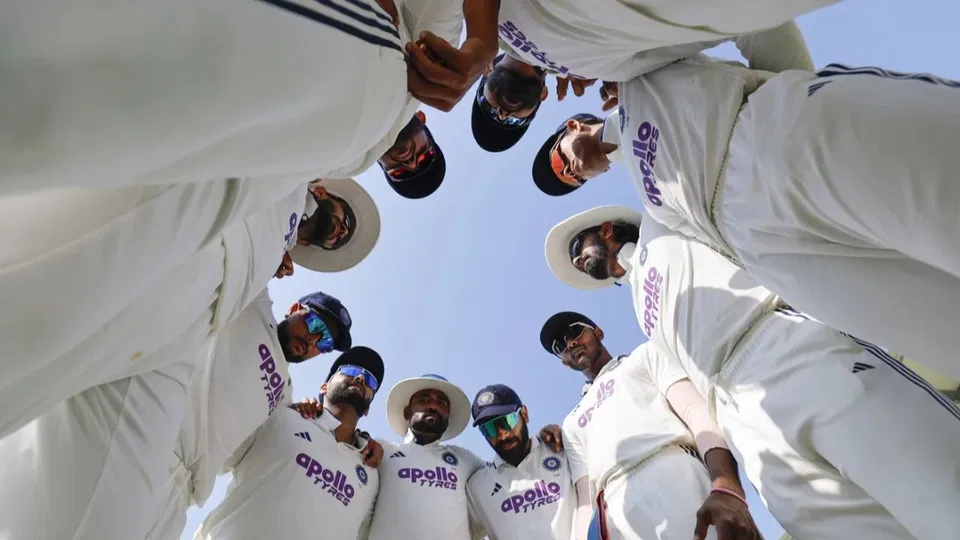
When India take the field against Sri Lanka in Galle for their 600th Test, it will mark a remarkable evolution from a team that once found victories hard to come by. The journey began in 1932, and it took 35 years to play the first 100 Tests. The next two hundred came in quicker succession, and since then, India have added roughly a hundred Tests every decade, with results improving dramatically along the way.
In their first 400 matches, India never featured prominently in win-loss ratio rankings, often sitting fifth or sixth among major teams. The first 300 Tests yielded just 56 wins, a reflection of a side that competed hard but struggled to close out games. The turning point arrived between 2006 and 2016, when India climbed to third in the win-loss table, trailing only Australia and South Africa. Their home record during that period was formidable, with 26 wins in 42 matches and just four defeats, while the bowling attack finally began to take 20 wickets with regularity.
The most significant shift, however, came in overseas conditions. For decades, India's away record was a glaring weakness, but improved pace bowling and greater self-belief transformed them into a side capable of winning abroad. This evolution has lifted India to second only to Australia in the win-loss ratio among major Test nations, a far cry from the underdogs of the past.